
1800 696 784
1800 696 784

National Relay Service
Interpreter: 13 14 50
Open 9am-5pm Mon to Fri (closed public holidays)

[email protected]
For emergencies, please call 000

Pap smear or CST?

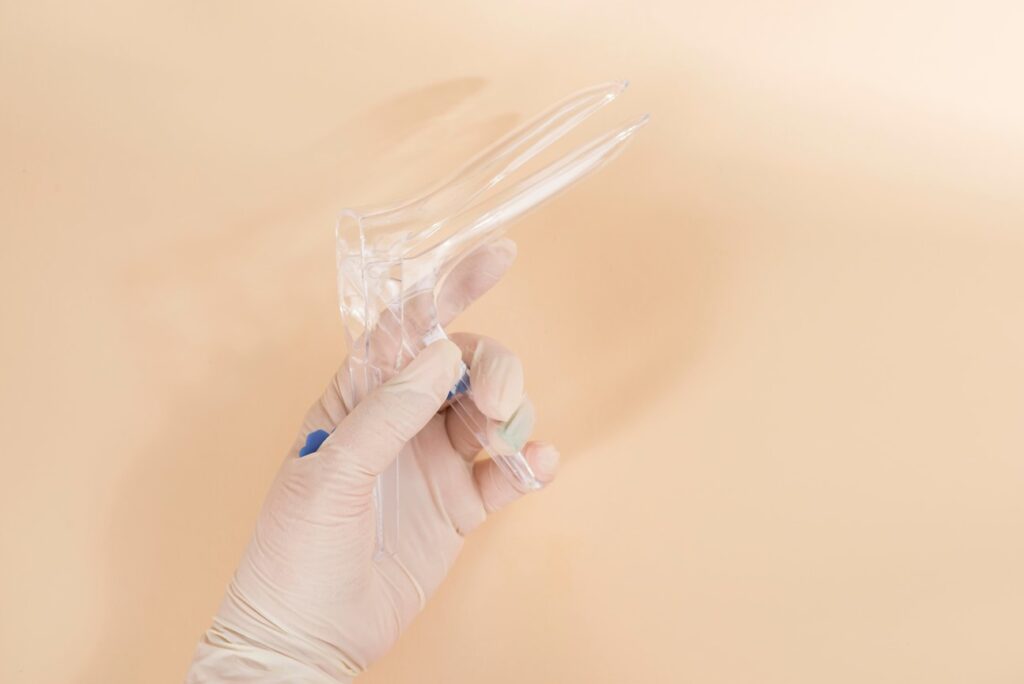
Photo of a plastic speculum, commonly used in a Cervical Screening Test

Since December 1st 2017, the Pap smear has been replaced by a HPV or Cervical Screening Test (CST). These changes are a result of new evidence, better technology and improved early detection of cervical changes and possible cervical cancers.
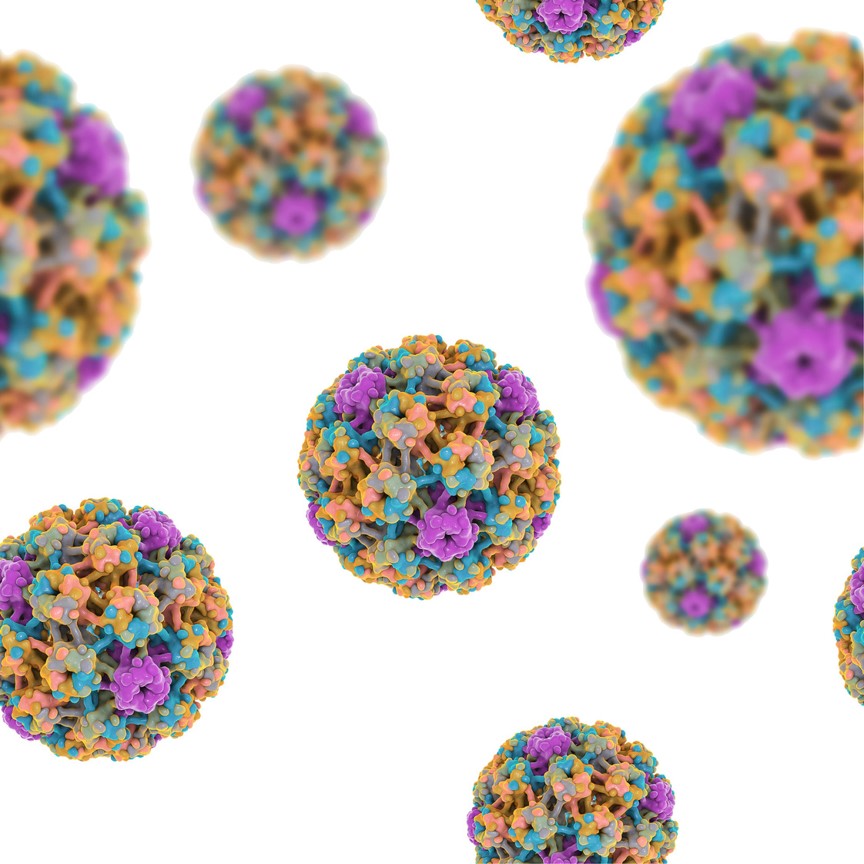
Graphic model of HPV

Model of a Human Papillomavirus

A Pap smear looked for abnormal cells in the cervix. While the cervical screening test looks for the Human Papilloma Virus (HPV) that can cause abnormal cells in the cervix. It picks up the infection before it can make cells abnormal that can lead to cervical cancer. The new test for HPV can identify people who could be at risk of cervical changes and cancer earlier than the Pap smear could.

This also means that the test doesn’t have to be done as often because it is much more sensitive and specific. The Pap smear used to have be taken every 2 years. The new CST only needs to be taken every 5 years. The process for the test is the same. A doctor or nurse inserts a speculum and looks at the cervix and then takes a sample with a soft brush, then removes the speculum.
There are also currently changes allowing people to collect the cervical sample themselves with a swab. *watch this space!*

A Pap smear looked for abnormal cells in the cervix, while the cervical screening test looks for the Human Papilloma Virus (HPV) that can cause abnormal cells in the cervix. It picks up the infection before it can make cells abnormal that can lead to cervical cancer. The new test for HPV can identify people who could be at risk of cervical changes and cancer earlier than the Pap smear could.

This also means that the test doesn’t have to be done as often because it is much more sensitive and specific. The Pap smear used to have be taken every 2 years. The new CST only needs to be taken every 5 years. The process for the test is the same. A doctor or nurse inserts a speculum and looks at the cervix and then takes a sample with a soft brush, then removes the speculum.

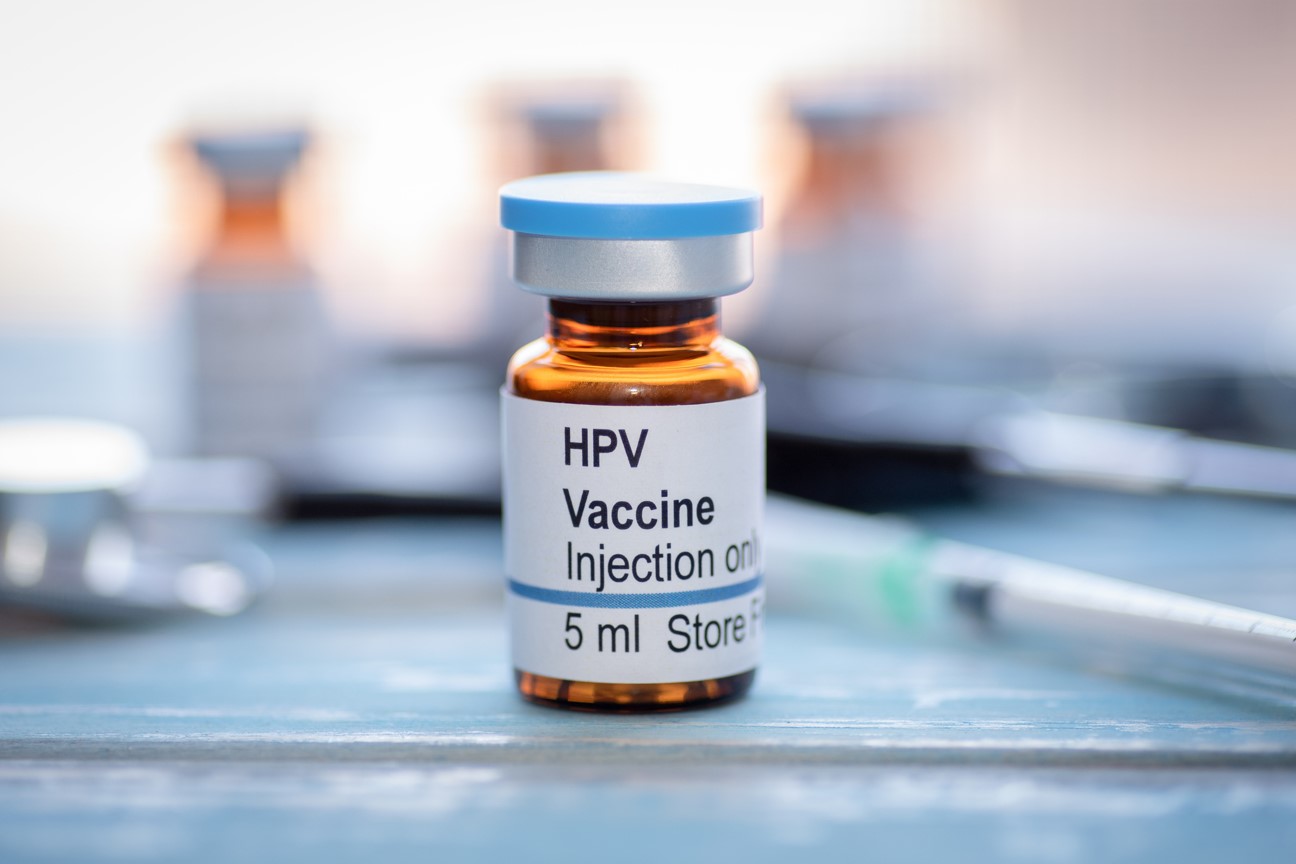
Photo of a HPV vaccine bottle

The HPV vaccine protects against many high-risk HPV types.

Things to know:

  • The two-yearly Pap smear has been replaced by the new five-yearly HPV cervical screening test (CST).
  • The main cause of cervical cancer is long term infection with certain strains of the human papilloma virus (HPV).
  • HPV testing is a much better test for determining future risk of developing cervical cancer.
  • Cervical screening now starts at age 25.
  • People who start having sexual contact before the age of 14 and who did not receive the vaccine can be tested from age 20.
  • No matter how you identify, if you have a cervix it is recommended that you have a cervical screening test.
  • If you have previously had a Pap smear test, you should have your first HPV test two years after your last Pap test.
  • Vaccination with Gardasil 9 protects against 9 strains of HPV and is available through local doctors (at a cost).


For more information:

What is Affirmative Consent?

Often, consent education just teaches “make sure there’s consent,” or “No means no,” without any information on how exactly to do that.

Consent conversations should include how to maintain and respect boundaries, managing rejection, and balancing giving consent with aspects of pleasure and desire.

Recently, affirmative consent laws have come into place in the ACT, NSW and Tasmania, and Victoria has been drafting up its own affirmative consent legislation. This legislation will sit alongside other laws that describe situations where a person cannot legally give consent; for example, if they are underage, intoxicated, unconscious or there is a power imbalance in the relationship (eg a student and teacher). Consent education has also become mandatory in schools. That’s why we think it’s important to talk about what affirmative consent means!

By law, affirmative consent means that consent is not only actively sought, but actively communicated as well.

What do the affirmative consent laws establish?

However, we know that just knowing this definition isn’t always that useful in practice. The reality of asking if someone is enjoying what you’re doing can be hard – the fear of awkwardness or rejection is real. But practicing affirmative consent is essential in order to prevent harm, and to make sure everyone can have an equally fun, pleasurable experience.

The acronym FRIES was created by Planned Parenthood, to help us remember what is required for consent.

FRIES stands for:

Freely given
Reversible
Informed
Enthusiastic
Specific

Consent must be FREELY given. This means without force, without convincing, without guilting, without blackmailing, without bullying or coercion.
No does not mean “convince me”.
You do not owe anyone sex for any reason.
Just because you’ve said yes before does not mean you have to say ‘yes’ every time.

Consent is REVERSIBLE. You might have been enjoying yourself and then some sexual acts go beyond your boundaries or comfort levels. You are allowed to ask to stop even if you’ve already started.
As soon as you say “stop”, “no”, “slow down” that should be enough. You are allowed to change your mind, as you do with many other things in life.

Consent is INFORMED. Being informed of what the boundaries and parameters of the sex you’re having. You can only consent to something if you have the full story. For example, if someone says they’ll use a condom and then they don’t, there isn’t full consent. It can also sound like “I really enjoy doing XYZ, but I don’t feel like doing ABC.”

Consent is ENTHUSIASTIC. Consent is not merely the presence of a yes or the absence of a no. It is not being worn down by constant attempts at sex that you just give in to the request or pressure.

Consent is SPECIFIC. Just because you’ve said yes to one sexual act like giving/receiving oral sex doesn’t mean you’ve consented to other sexual acts like penetrative sex. If you’d like to check your sexual partner(s) is OK, you can ask questions like “Do you like that?” “What do you like?” “What would you like me to do?” “Do you want me to…”

For some great fun and sexy checklists which have yes/no/maybe format, and other ideas about how to ask for and learn what you might or might not want during sex, check out the below links:

How to Support: Someone Having an Abortion

Just as you might do for anyone having a medical procedure, there are many ways you can support someone you care about who is having an abortion. Here are some ideas about how you can provide emotional and practical support either before, during or after an abortion. Be sure to always ask them first though about what type of support, if any, they would like.

Emotional support

Many people can feel anxious about having a medical procedure and abortion is no different. It can help to let the person know they can talk to you if they are worried or feeling anxious.  Reassure them that you respect their privacy and that your conversations will remain confidential. Let them talk if they want to. Your job is to listen, without any judgement. Avoid asking intrusive questions or telling them how they should think or feel. Some people may prefer minimal or no conversation at all. Everyone is different.

How they will be feeling emotionally after the abortion can often depend on their individual situation.  Whilst some people can experience mixed emotions, research shows that where people are able to make their own decision and are given support to do this, they will most likely feel relieved and that they have made the right decision. Only a very small number of people feel the need to access professional counselling.

Practical support

In terms of practical support there are many things you can do.  Again, always ask first!

How are STIs transmitted?

Sexually Transmitted Infections (STIs) can be passed on between people very easily. That’s because there are many different ways they can enter the body:

1) Through penis in vagina and/or penis in anus sex
2) Through genital to genital touching
3) Through skin to skin touching
4) Through oral sex (mouth on vagina/mouth on penis/mouth on anus)

The skin on the genitals is very delicate, and any cuts or splits in the skin can be the perfect place for an infection to enter the body. It’s important not to over-wash this delicate skin or use any products with fragrance. Take care if/when undergoing any hair removal as well, as it’s important to avoid any small cuts to the skin.

Because most STIs don’t have symptoms, you can’t always know if you’ve got one or even passed it on. This is why testing regularly is so important. Just because you don’t have symptoms, doesn’t mean you can’t have an STI. With so many ways for them to enter the body, it’s important to have all sites of sexual contact tested at least every 12 months (but ideally 3-6 monthly!)

So, what’s the best way to prevent sexually transmitted infections? Simple! Just use an external condom on the penis. There are also dams that can protect genitals on the outside.

Stay safe and have fun!

Breastfeeding + contraception: the 5 things you need to know

Many people have questions about breastfeeding and contraception. For most people who’ve just had a baby, getting pregnant again is definitely not a priority! So what do you need to know about contraception and breastfeeding?

If you want to have a chat about the different types of contraception options available, and where in Victoria you can go to get them, 1800 My Options can help! Call us on 1800 696 784, or email [email protected]

What trans and gender diverse people want their doctors to know

The first thing I would like doctors to know, is please, please ask questions always and stop assuming, especially now with teleconferencing. I think I’ve been misgendered more in doctors appointments over the last year than I have anytime since the start of my transition.

Second thing is rehash old notes with clients before seeing them. If I’ve had to tell you my gender, pronouns and suffix every single session, I’m exhausted and you’re not a queer friendly doctor. I’ve had doctors continuously misgender and deadname me on Medical Certificates after I’ve had them correct them several times.

It’s exhausting.

– Danni, she/they

I’ve been going back and forth between a number of health professionals for years now.

I’ve only come out as nonbinary to one of them, a GP who I thought had received LGBT+ training and advertised themselves as an ally. They used the appointment to ask harmful questions rather than focussing on the concern I organised the appointment to discuss.

Health professionals should not rely on their patient to give them transgender 101.

 – Riley, they/them

When I first mentioned to my doctor that I wanted to start testosterone therapy, one of her reactions was: “BuT wHaT aBoUt HaVinG kIdS?!”. Despite my response that I’d much rather stop hating my body than give birth, she insisted HRT was preposterous. Her attitude ignored that transmasculine people can have babies, and also demonstrated the lack of autonomy given to trans people in our own healthcare.

Many doctors don’t use informed consent in prescribing HRT, insisting that trans people go through the psychological rounds for something we decided long ago. Trans people deserve autonomy and informed support in the decisions we make with our bodies, not an uneducated brick wall.

– Theo, he/they

I would like the health professionals I work with to learn about transgender health from someone otherthan myself.

I would like transgender clinical competency to be included in medical training.

I would like electronic medical records to reflect the identities of trans and gender diverse patients.

I would like fewer of my trans siblings to succumb to unsatisfactory medical attention, despair over being denied critical care, or the frustration of explaining their own physiology to a doctor who has never needed to consider it.

I would like to survive my 30s.

I hope I am not asking too much.

– Séverine, she/her

Implant Insertion: What’s It Really Like?

One of our workers gets an implant inserted – and shares all!

Like lots of people, the first hormonal contraception option I was on was the oral contraceptive pill. However, with an unreliable digestive system, terrible memory and a very erratic sleep schedule, I soon realised that the Pill was not for me. I needed something that wouldn’t leave me vaguely anxious every time I had sex!

When I mentioned all this to my GP, she asked if I’d heard of the contraceptive implant. I hadn’t, but as she explained what it was, I felt confident it’d work for me – it was 99.9% effective at preventing pregnancy, and lasted up to 3 years at a time. It was just a small rod inserted into the arm, and I could just forget about it after the insertion.

It also released a lower dosage of hormone than the Pill I was on, which meant that any side effects I was experiencing might decrease or disappear. There was a chance that my period might be affected – the GP said that for some patients, their periods stopped altogether, and for some patients, their bleeding might increase. However, for most patients, their bleeding stayed around the same and became lighter over time. I’d never really had issues with my periods before, so I was happy to try it out.

After explaining how it all worked, the doctor wrote me a script for the implant. She then booked me in for an extended consultation with another doctor at the clinic, who had done the implant insertion training. From there, it was pretty straightforward:

Over the next few days, I had a bit of bruising around the implant area. This all completely faded after a week. There is a tiny scar (about the size of texta tip) where the implant was inserted. My periods became extremely light, and stopped altogether (which I’m aware makes me quite lucky – I was warned that this definitely wasn’t everyone’s experience!).

Overall, getting the implant was pretty straightforward. Knowing that I am very protected from unplanned pregnancy, and don’t have to remember to take something everyday or get a script every few months has been really great. I would highly recommend talking to your doctor about your contraception options, and seeing if the implant could work for you!

To find a doctor near you who can help with implant insertion or other contraception options, please contact 1800 My Options on 1800 696 784 (weekdays 9am-5pm), or head online to search.

How much does an abortion cost?

Like most medical procedures, the cost of an abortion can vary greatly. The things that can influence the cost of an abortion in Victoria include:

For most people with a Medicare card, abortion costs can range from fully bulk-billed (free), to hundreds of dollars. This can be very confusing and stressful if you are trying to find a service.

If you need help finding a low-cost abortion provider, please contact 1800 My Options directly for personalised support. We can link you to the lowest cost services that suit your needs.

1800 696 784 – weekdays, 9am – 5pm
[email protected]

Abortion Laws in Victoria

Abortion is a safe and legal medical procedure in Victoria. Depending on how many weeks pregnant you are, you can either have an abortion with medication, or through surgery.

The Abortion Law Reform Act 2008

In 2008, Victoria decriminalised abortion and clarified how an abortion can take place:

A person can choose to have an abortion before 24 weeks of pregnancy.
The service must be provided by a registered medical practitioner.

It is very rare for abortions to be performed after 24 weeks of pregnancy (the most common reason being for foetal abnormalities). The law states that 2 medical practitioners need to agree that the abortion would be appropriate, considering the medical, psychological and social circumstances involved.

Conscientious objectors

A GP or health professional who objects to abortion or contraception services must refer their patients to another medical practitioner who doesn’t object. If your health professional has not done this, you can raise a complaint through the Victorian Health Complaints Commissioner or the Australian Health Practitioner Regulation Agency (AHPRA).

Safe Access Zones

 In 2016, the Victorian Public Health and Wellbeing Act 2008 was altered, to include the establishment of legally protected “safe access zones” – the 150m radius around abortion providers.
Safe access zones allow for staff and patients to access clinics safely and privately, without harassment or obstruction.

Australian abortion law

Abortion legislation is different in every Australian state and territory. For more information about abortion across Australia, see here.

* indicates required